
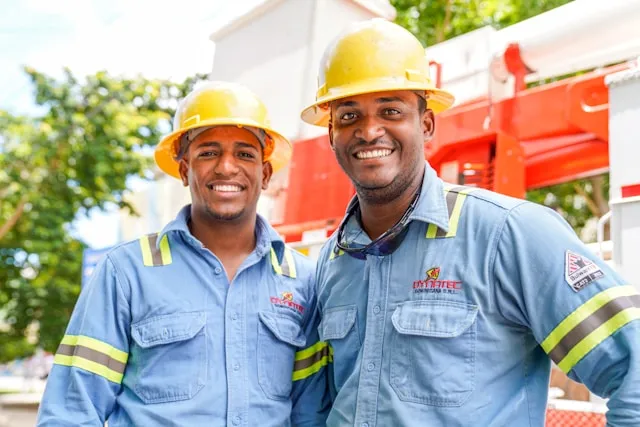
In many organizations, frontline employees—whether in retail, logistics, maintenance, or service roles—play a critical role. Yet they may feel isolated, undervalued, or disconnected from the company’s overall strategy, which increases turnover.
Improving frontline employee retention is essential not only for overall performance but also to strengthen team cohesion and long-term stability. Here are simple and practical HR strategies to retain your frontline employees effectively.
1. Truly listen to frontline teams
Frontline employees have valuable insight into daily operations. However, their feedback is often underutilized. Implementing listening tools allows you to:
- Understand their real needs and challenges
- Detect early signs of disengagement
- Identify operational improvement opportunities
➡ Practical tip: run short, regular surveys tailored to frontline realities, and share results transparently.
2. Strengthen communication and sense of belonging
Frontline employees need to understand their role in the company’s broader strategy. Clear and consistent communication improves their involvement and engagement.
- Communicate regularly using appropriate tools (mobile apps, SMS, meetings)
- Share company results and successes
- Encourage direct interaction with managers
➡ Result: employees feel included and connected to the company’s success.
3. Recognize and value employee contributions
Recognition is one of the most powerful retention drivers. It can take many forms:
- Formal or informal recognition programs
- Celebration of individual and team achievements
- Regular positive feedback from managers
➡ Recognized employees are more engaged and more likely to stay.
4. Provide development opportunities
Frontline employees want to grow and develop their skills. Providing career opportunities significantly improves engagement.
- Accessible and relevant training programs
- Internal career growth opportunities
- Opportunities to learn new skills
➡ Investing in development shows long-term commitment to employees.
5. Improve working conditions and well-being
Respectful and supportive working conditions directly improve retention:
- More flexible work organization
- Improved safety conditions
- Recognition of frontline-specific constraints
➡ Workplace well-being is a key retention factor.
6. Encourage team cohesion and human connection
The quality of workplace relationships strongly influences engagement and retention.
- Organize team-building activities
- Strengthen relationships between managers and teams
- Promote teamwork and collaboration
➡ A positive human environment strengthens long-term engagement.
Conclusion: frontline retention is a strategic HR priority
Retaining frontline employees relies on combining key human and organizational factors:
- Active listening
- Transparent communication
- Regular recognition
- Development opportunities
- Supportive working conditions
By placing people at the center of your HR strategy, you improve employee experience while strengthening performance, stability, and long-term business success.