
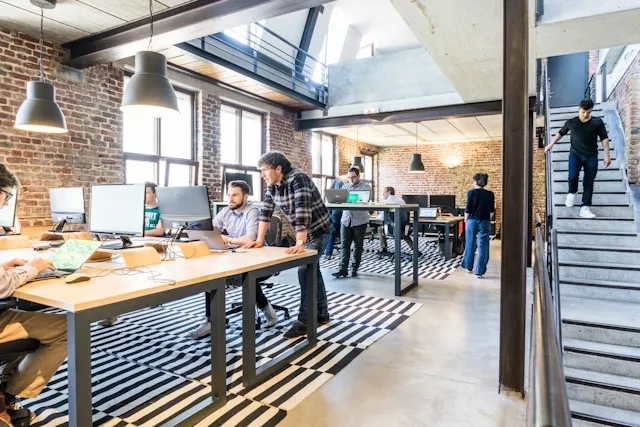
New employee expectations around the employee experience
The employee experience has become a major strategic lever for attracting, engaging, and retaining talent. Employee expectations are evolving rapidly, driven by digital transformation, the arrival of new generations in the workforce, and profound cultural shifts.
Understanding these new expectations is essential for HR professionals and business leaders who want to build high-performing and human-centered work environments.
An employee experience centered on overall well-being
Today, employees are no longer just looking for a job, but for a holistic experience that integrates well-being, recognition, and work-life balance.
- 75% of employees believe that workplace well-being is a key factor in their engagement (Gallup Barometer, 2024).
- 60% say that recognition is more important than compensation when it comes to motivation (Deloitte Study, 2023).
Organizations must therefore implement policies that promote quality of work life, such as flexible remote work options, well-designed workspaces, and sincere, regular recognition initiatives.
The growing importance of autonomy and purpose
Employees want to feel empowered in their career journey and find meaning in their work. This need is particularly strong among Millennials and Generation Z, who now represent the majority of the workforce.
This translates into concrete actions:
- Providing greater autonomy in day-to-day work organization
- Promoting transparency around company objectives
- Involving employees in decision-making processes
- Offering roles and missions with visible impact
According to a Microsoft study (2024), 70% of young professionals are looking for an employer whose values align with their own, pushing organizations to rethink their internal communication and management practices.
Skills development as a key priority
In a constantly evolving world, continuous learning is no longer a bonus, but a fundamental expectation.
- 87% of employees want access to regular training opportunities to support their growth (LinkedIn Learning Report, 2024).
Skills development is also perceived as a strong signal of the company’s investment in its people.
To meet this demand, organizations are investing in digital learning platforms, personalized learning paths, and encouraging internal knowledge sharing.
The growing importance of digital tools and communication
New expectations around the employee experience also rely on the availability of the right tools and seamless communication.
Key levers include:
- Modern collaboration tools to support remote and team-based work
- Real-time feedback platforms to encourage continuous dialogue
- Transparent and regular communication on strategy and organizational change
A Gartner study (2024) shows that 65% of employees believe poor communication has a direct impact on their engagement and motivation.
Toward a personalized and inclusive employee experience
Finally, personalization and inclusion are becoming essential expectations.
- Personalizing career paths, goals, and rewards based on individual profiles and needs
- Developing inclusive policies that promote diversity and equality
- Recognizing individual initiatives within a collective framework
This approach not only addresses individual expectations but also strengthens employees’ sense of belonging.
Conclusion: a key driver of competitiveness
New employee expectations around the employee experience are deep and multifaceted. They encompass well-being, autonomy, skills development, digital tools, as well as personalization and inclusion. For HR leaders and executives, the challenge is to adopt a holistic and coherent approach that aligns these expectations with business strategy.
Organizations that anticipate and respond effectively to these needs will strengthen their employer attractiveness, boost internal engagement, and secure long-term competitiveness.